
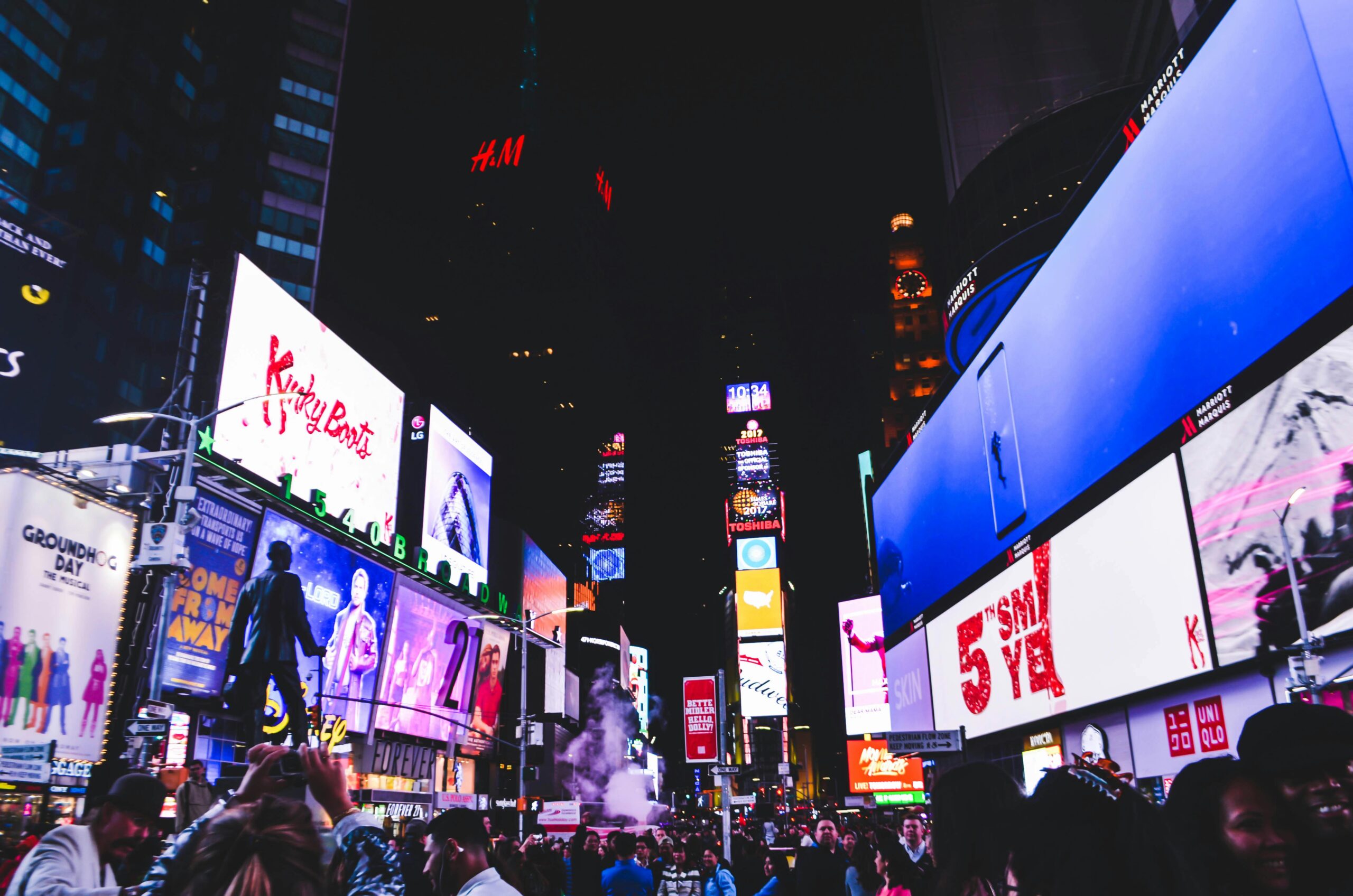
Let’s be honest—billboards haven’t always had the best reputation in the advertising world. For years, they’ve been considered a blunt instrument in a marketer’s toolkit. A rectangular board, some large text, a photo, and a logo slapped on a pole along a highway. Seen one, seen them all—right?
Wrong.
In recent years, billboard advertising has undergone a quiet revolution. What was once seen as old-school and uninspired is now being reimagined in brilliant, bold, and even iconic ways. Brands are beginning to realize that these towering canvases offer more than just space—they offer opportunity. And when used creatively, billboards can do something that even digital ads often fail to accomplish: stop people in their tracks.
So, how exactly do you take a traditional billboard from boring to bold? And what does it take to turn that same piece of roadside real estate into a brand icon? Let’s dive into the strategies that are turning static signs into memorable marketing moments.
1. Tell a Story, Not Just a Slogan
A big mistake many brands make is treating billboards like oversized business cards. They cram in a phone number, address, website, and a list of services—all of which become visual noise at 65 miles per hour.
Bold billboards don’t just inform—they engage. They tell a story in a flash. Take Chick-fil-A’s now-famous 3D cow campaign. It wasn’t just an ad—it was a narrative. Cows painting “Eat Mor Chikin” on the board in messy handwriting? That’s visual storytelling with humor and personality. People didn’t just remember the ad—they talked about it. They took photos. It became part of the culture.
Your billboard shouldn’t just say who you are. It should show what your brand is about.
2. Go 3D or Go Home
If your billboard still looks like a flat printout, you’re missing out. Modern fabrication techniques allow advertisers to break the rectangle entirely. You can pop elements out of the board, extend them into the sky, or even make moving parts.
For example, consider the IKEA billboard that used real products—like shelves and lamps—bolted to the board, turning it into a live room layout. It wasn’t just an ad. It was a showcase, a mood board, and a branding statement all at once.
Going three-dimensional adds depth—both literally and emotionally. It surprises people. It creates buzz. And most importantly, it transforms an ordinary space into a shareable experience.
3. Make the Environment Part of the Message
One of the cleverest ways to elevate a billboard is to stop seeing it as separate from its surroundings. Instead, great billboards interact with their environment.
A weatherproof billboard that changes color in the rain. A fashion ad whose model “holds” onto a real nearby streetlamp. A fitness center ad that shows a man doing pull-ups—by physically attaching his hands to a bar overhead.
When you integrate real-world elements into your design, you turn your billboard into a kind of public art. It becomes more than an ad; it becomes part of the city.
4. Use Humor, Irony, or Surprise
We don’t always expect much from a billboard, which is exactly why clever ones work so well. Humor is a powerful way to grab attention and establish an emotional connection with viewers.
Take the example of The Economist’s iconic billboard—a plain black background with a lightbulb that turned on whenever someone walked beneath it. The message? “Get a bright idea. Read The Economist.” No sales pitch, no clutter—just clever branding. And it worked.
Surprise your audience, and they’ll reward you with attention—and often, a photo.
5. Lean Into Minimalism
In a world filled with overstimulation, less can often be more. A billboard with nothing but a bold color, a single word, or a striking image can stand out more than one trying to say too much.
Brands like Apple have mastered this art. Their “Shot on iPhone” campaign featured stunning photos with almost no text. The product was implied, not shouted. That restraint made the message more powerful—and more iconic.
Minimalism signals confidence. It tells the world your brand doesn’t need to explain itself. And that kind of quiet boldness can be incredibly effective.
6. Tap Into Culture and Context
A great billboard doesn’t exist in a vacuum. It’s placed somewhere specific, seen by someone specific, at a specific time. Smart brands take that into account.
Netflix is famous for this. They’ve run billboards that riff on local culture, viral moments, or trending shows—always staying relevant, always in on the joke. One of their billboards in L.A. simply read:
“Yes, we’re still making movies. Love, Netflix.”
A cheeky nod to Hollywood’s traditional film studios.
When your billboard feels like it belongs to the city, it connects on a deeper level. It becomes part of the conversation, not just another pitch.
7. Create a Visual Identity That’s Instantly Recognizable
When billboards become iconic, it’s usually because they’re unmistakably tied to the brand behind them. Think of McDonald’s golden arches, Coca-Cola’s red swirls, or Nike’s swoosh. These brands don’t even need to spell out their names anymore—their identity is the message.
Creating this level of visual shorthand takes time and consistency. But it starts with bold design, a strong point of view, and a commitment to showing up the same way—every time.
Consistency turns recognition into memory, and memory into loyalty.
Final Thoughts: Think Beyond the Rectangle
At the end of the day, transforming a traditional billboard into a brand icon means thinking beyond space—it means thinking in experiences. A bold billboard doesn’t just communicate a message. It sparks curiosity. It elicits emotion. It sticks.
Billboards aren’t dying—they’re evolving. And for the brands willing to be creative, they offer something rare: an unmissable platform in a world of distractions.
So go ahead. Break the mold. Paint outside the lines. Be weird. Be clever. Be unforgettable.
Because the next iconic billboard isn’t just about what it says. It’s about how it makes people feel.